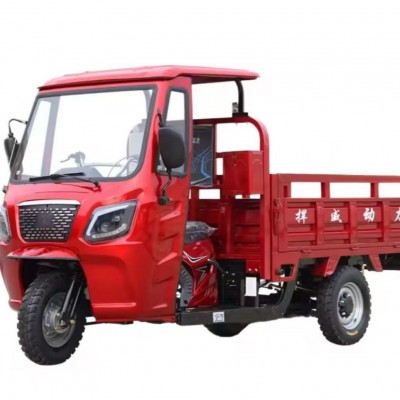
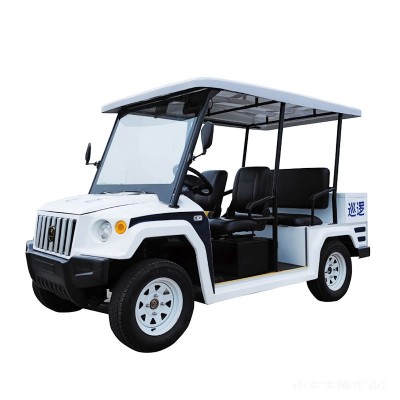
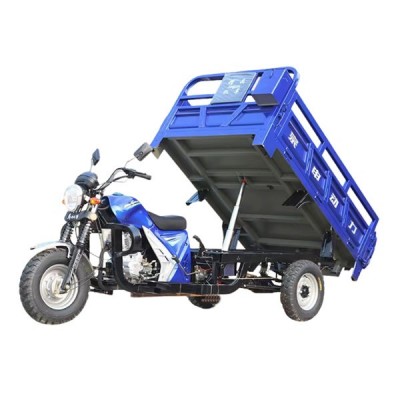
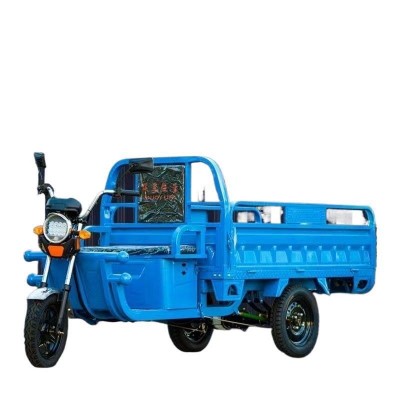
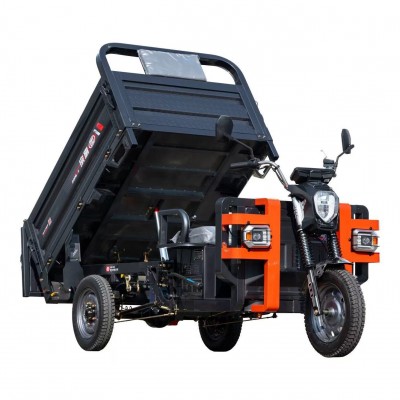
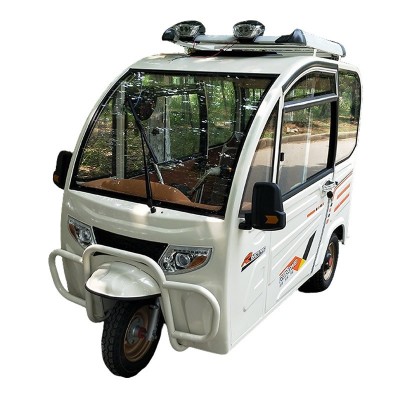
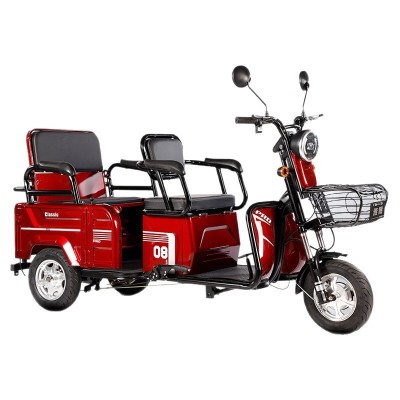
Do you know how to drive your car more fuel-efficiently and how to maintain it properly? Today, our editor will share with our vast audience of agricultural tricycle users some tips on how to save fuel and maintain agricultural tricycles.
Common sense of fuel saving
The driving proficiency of the driver has a significant impact on the fuel consumption of agricultural tricycles. Proper driving techniques can typically reduce fuel consumption by 6% to 15%.
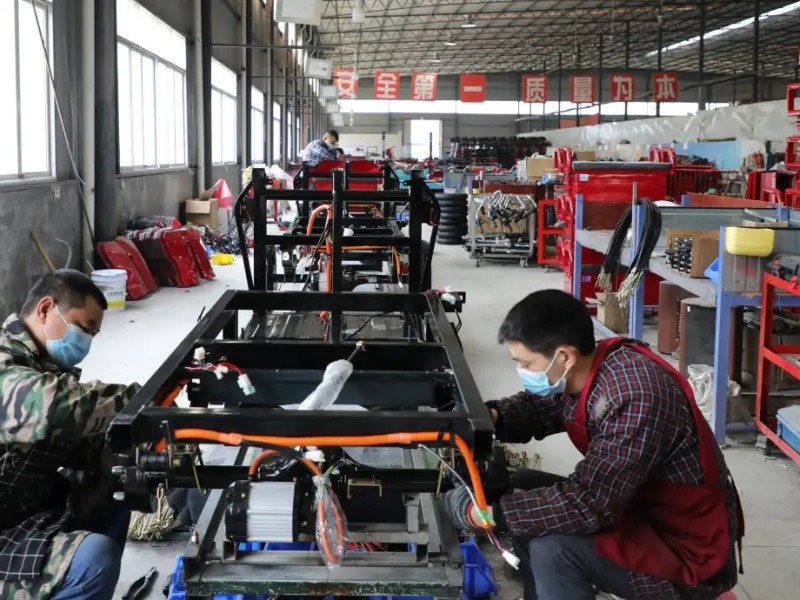
Master the correct driving technique for agricultural tricycles, as experienced drivers always follow these practices.
When starting the car, the engine should be preheated. According to tests, when the temperature is 13℃, if the engine is preheated to 40℃ before starting, the engine temperature can rise to 80℃ after 10 minutes. If the engine is not preheated before starting, it takes 15 minutes for the engine temperature to reach 80℃. Comparing the two, the latter will consume 30% more fuel.
Maintain a moderate driving speed: Driving too fast or too slow can both increase fuel consumption.
Correct use of brakes: During driving, try to avoid or minimize the use of brakes, provided that safety is ensured.
maintenance tips
Proper maintenance of agricultural tricycles is crucial for their service life and driving safety. Therefore, the maintenance of agricultural tricycles cannot be ignored.
New car test drive:
Check whether the control mechanism is flexible and reliable, and whether all fasteners, especially the nuts of the front and rear axles, are tightened. Loose parts should be tightened according to the instructions;
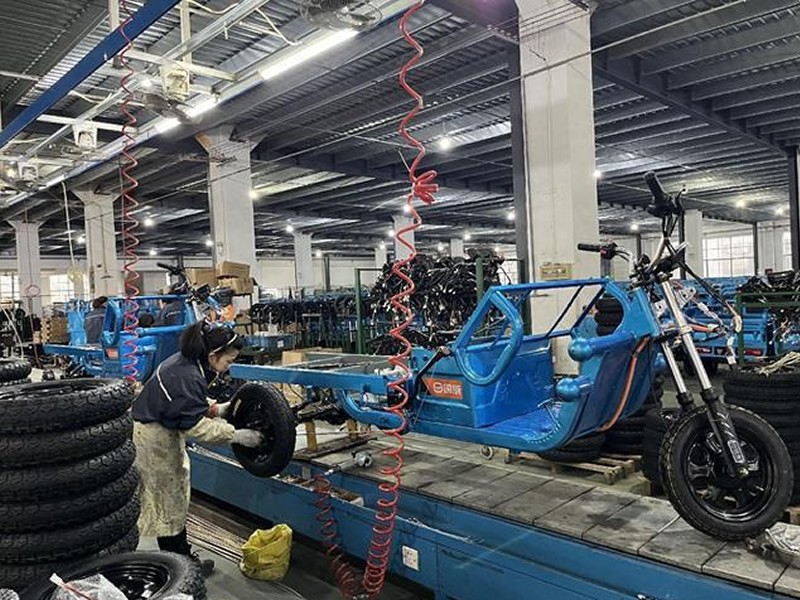
Check whether the gear lever is in the neutral position. If it is not, step on the clutch pedal and place the gear lever in the neutral position.
For vehicles equipped with dumping devices, the dumping control handle should be checked according to the instructions and placed in the disengaged position.
Break-in adjustment:
Newly purchased agricultural vehicles must undergo a break-in period before they can be put into use.
During the break-in period, the driving road should have a small slope and a flat surface. The load should be gradually increased from light to heavy, and the gears should be used progressively from low to high. All gears should be broken in, with frequent use of commonly used gears for multiple break-in cycles.
During the break-in period, it is necessary to consciously subject the clutch, brake, and other working devices to a certain degree of operational break-in. At the same time, pay attention to the working conditions of each part and make necessary adjustments to those parts that require adjustment.
Clean and change the oil
After the new car has been properly adjusted for running-in, all lubricating oil must be cleaned and replaced.

First, replace the engine lubricating oil. After parking the vehicle, drain the gear oil from the transmission and rear axle housing while it is still hot. Add an appropriate amount of diesel fuel, drive the vehicle at low gear for 2-3 minutes, and then clean it.
Then, completely drain the diesel used for cleaning. Finally, add corresponding new lubricating oil to each part.
Smart startup:
After starting the engine, run it at low speed for 3-5 minutes to raise the water temperature to around 50 degrees before starting the bike.
Daily driving precautions:
Never run out of diesel before refueling
Diesel engines boast impressive power and fuel efficiency. Diesel engines of the same displacement typically deliver significantly more power than gasoline engines.
However, a diesel engine should never run out of diesel before refueling, as in this situation, the engine will be idling and inhaling air, causing severe damage to the engine.
Pay attention to the freezing point of diesel
At low temperatures, if the diesel used has a high freezing point, it is prone to clogging the fuel line.
In China, diesel grades are designated based on their freezing points, which serve as the primary criterion for selecting diesel. Therefore, appropriate diesel should be chosen according to different regions and seasons.
Strengthen the maintenance of the filter
Ensure to choose reliable gas stations to refuel with qualified fuel.
The diesel filter serves as the final safeguard for the fuel system. Compared to traditional fuel system technology, the common rail system is more advanced and precise, necessitating high-quality fuel filters specifically designed for the common rail system.
Do not idle for a long time
Long-term idling operation will reduce the quality of fuel injection atomization and accelerate early wear of the cylinder wall.
Prolonged idling can lead to excessively low combustion temperature and incomplete combustion in diesel engines, potentially causing carbon buildup and blockage of fuel injector nozzles, piston rings, or seizure of valves.