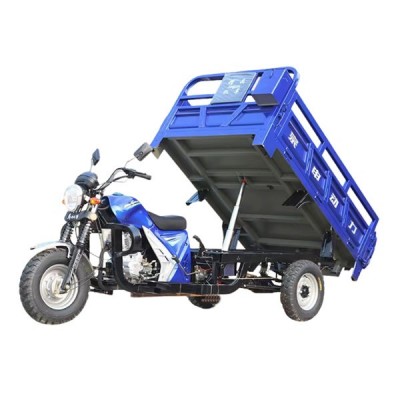
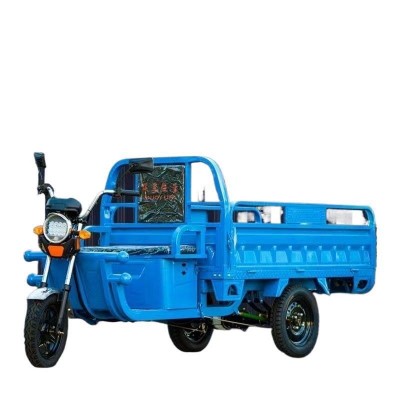
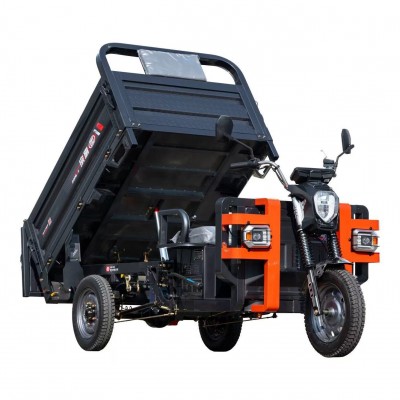
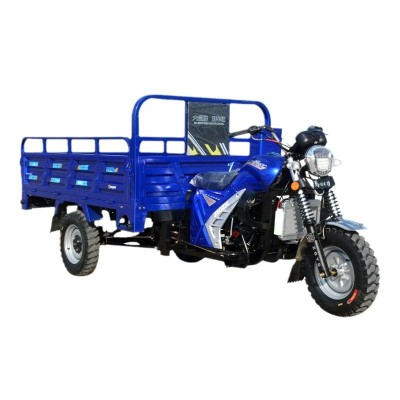
Red and white electric tricycles, loaded with packages, shuttle flexibly between the flow of trucks and motorcycles. These vehicles are parked smoothly in front of the warehouse gate, loading, unloading, and departing with efficient and flexible movements.
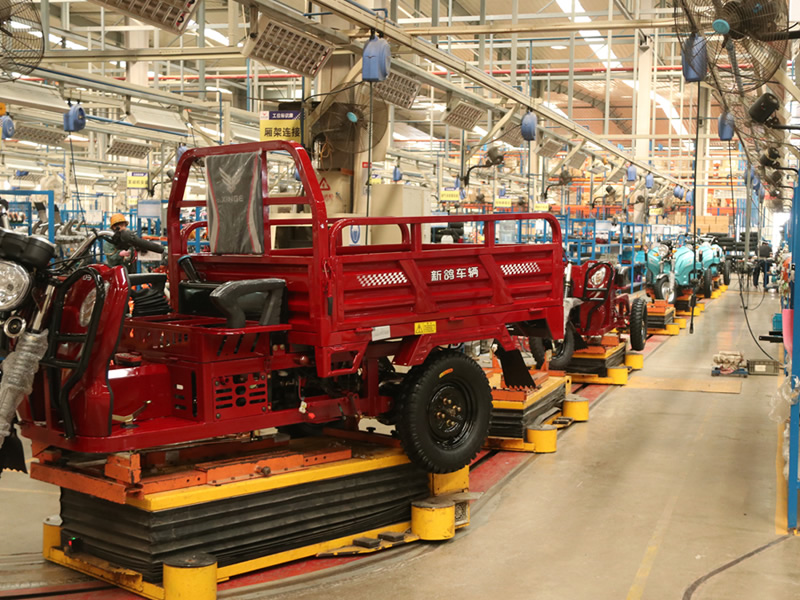
This type of transportation that can be seen everywhere in China is quietly restructuring the logistics ecology at the end of Brazilian cities. For practitioners in the domestic electric tricycle industry, Brazil will become an undeniable market in the future.
To understand the opportunities of electric tricycles in Brazil, it is necessary to objectively examine the "last mile" dilemma that the Brazilian logistics system has long faced.
1. Rigid restrictions on urban access policies
Major cities in Brazil, especially S ã o Paulo and Rio, are facing severe traffic congestion. In order to alleviate traffic pressure, the Sao Paulo city government has implemented strict vehicle restrictions and regional entry restrictions.
Among them, the most critical restriction applies to urban freight vehicles (VUC). Traditional diesel trucks are prohibited from passing through specific time periods and road sections.
According to data from the Sao Paulo City Transportation Engineering Company, the traffic restrictions in the city center have reduced the effective delivery time of traditional trucks by about 30%.
2. Extreme pressure on operating costs
According to the "2023 Logistics Cost Report" released by the Brazilian Transport Union (CNT), logistics costs account for 12.6% of Brazil's Gross Domestic Product (GDP), much higher than the United States' around 8%. Among them, fuel cost is the largest variable expenditure.
The pricing mechanism of Petrobras is greatly affected by international crude oil fluctuations. In the past three years, the volatility of diesel prices in Brazil has repeatedly exceeded 20%.
In contrast, Brazil has a unique clean energy structure.
According to the Brazilian Ministry of Mines and Energy (MME), over 80% of Brazil's electricity comes from renewable energy sources.
This means that the energy arbitrage space for shifting from fuel to electric is extremely high, and the operating cost per kilometer of electric vehicles is only 1/5 to 1/8 of that of internal combustion engines.
3. The 'last mile' transportation gap
There has long been a 'capacity gap' in urban end of pipe delivery in Brazil:
Motorcycle: Fast, but with extremely low load capacity, and unable to shelter from rain. Thunderstorms in Brazil's tropical climate often cause damage to valuable packages such as electronic products. In addition, the motorcycle accident rate is extremely high, resulting in companies bearing expensive insurance costs.
Light box truck: with sufficient load capacity, but unable to pass through congested slums or narrow streets, and facing difficulties in parking and being easily fined.
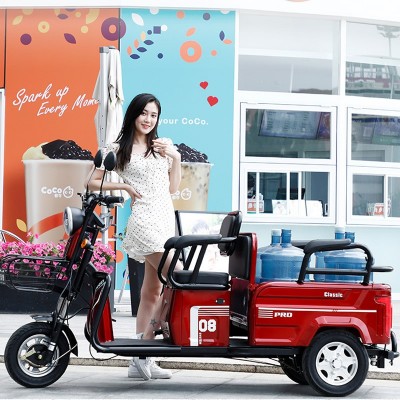
Electric tricycles happen to fill this gap. It is more stable and heavy than motorcycles, more flexible than trucks, and has lower operating costs.