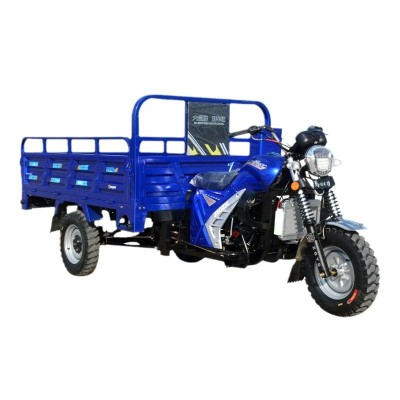
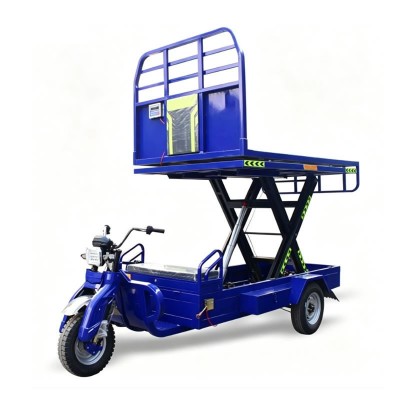
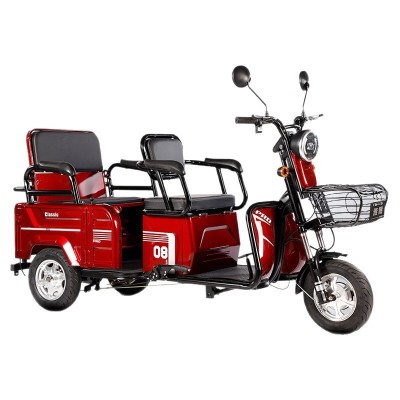
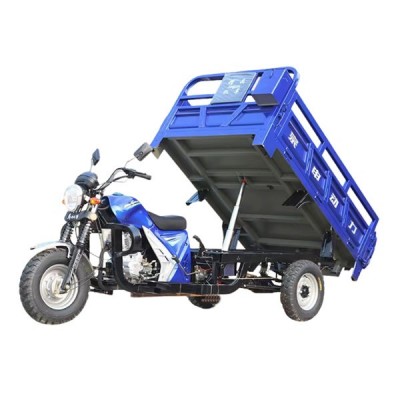
In many regions across Southeast Asia, Africa, South America and rural parts of Europe, simple and practical travel tools are always in high demand. People need vehicles that are not expensive, easy to operate, and capable of handling daily commuting and daily cargo transportation. Under such market demand, Chinese 3-wheel tricycles have gradually stepped out of China and become one of the most mainstream means of transportation in many developing countries and remote areas.
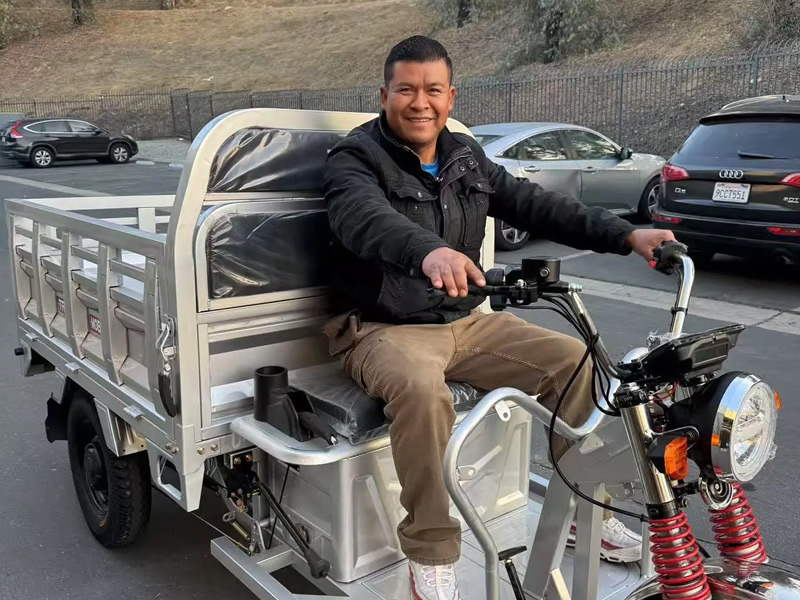
Different from bulky cars and expensive motorcycles, the core advantage of three-wheel tricycles lies in their accurate positioning. They do not pursue fancy appearance or extreme speed, but focus on practicality and durability. Whether it is a family going to the market, a small merchant transporting goods, or residents traveling short distances in rural villages, a reliable cargo tricycle can perfectly meet daily needs.
For a long time, local transportation options in many areas were single. Cars cost too much to buy and maintain, motorcycles cannot carry heavy goods, and walking or cycling wastes time and physical strength. The entry of Chinese tricycles just fills this market gap. With reasonable pricing, strong adaptability and flexible use, these three-wheelers quickly won the recognition of ordinary users, small businesses and farm workers, and slowly formed a stable market reputation all over the world.