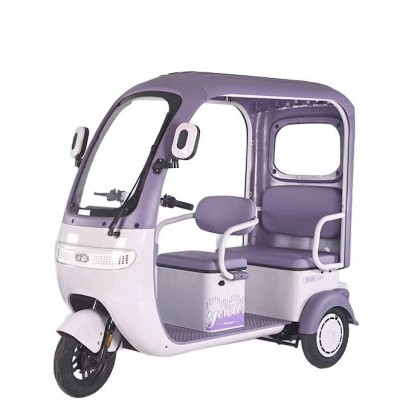
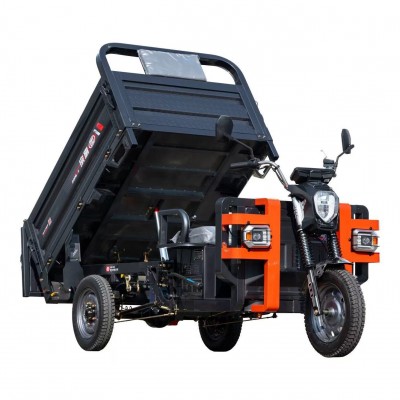
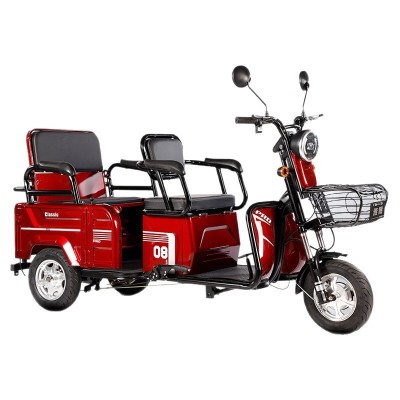
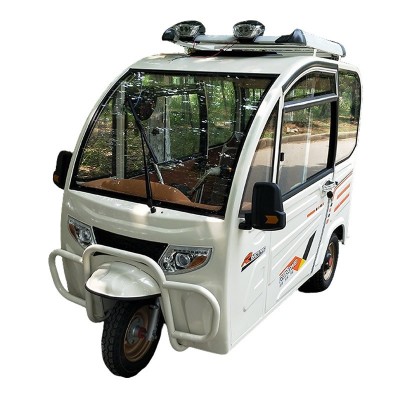
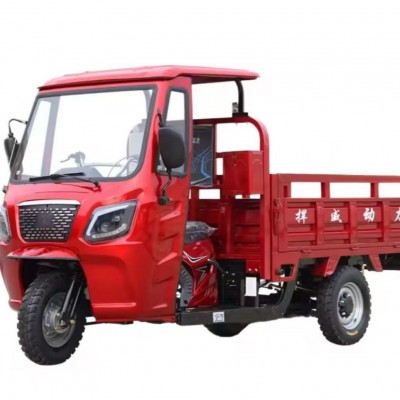
Let’s be real—we’ve all been there. You’re scrolling online, and boom: an electric trike for $500. Half the price of the “nice” ones, and it looks almost identical in the photos. You think, “Why pay double when this one checks all the boxes?” But then that little voice creeps in: Is this too good to be true? Could that cheap electric trike actually be a death trap waiting to fail the second you hit a bump or try to climb a slight hill? Spoiler: For way too many folks, the answer is yes. But here’s the good news—you don’t have to be a mechanic to tell the difference between a quality e-trike built to last and a junk one that’s just waiting to put you in the ER. I’ve been testing and repairing electric trikes for five years, and today, I’m spilling the tea on how to spot the red flags (and the hidden gems) before you drop your hard-earned cash.
1. Why Cheap Electric Trikes Are Tempting (But Often Dangerous)
We’re all trying to save money, especially with inflation eating into our budgets—and a $500 electric trike sounds like the perfect win. No gas, easy to ride (no balance needed—perfect for seniors or anyone with mobility issues), and great for running errands or cruising around the neighborhood. But the truth is, the e-trike market is flooded with “budget” models that cut every corner possible to hit that low price tag. I’ve seen trikes with frames that bend after a month of light use, brakes that fail mid-ride, and batteries that catch fire or die completely after just 300 charges. Last year, a friend of mine bought one of those $499 “steals” online—within two weeks, the rear wheel fell off while she was riding to the grocery store. She’s lucky she only got a bruise; it could’ve been so much worse. The CPSC even issued a warning last year about cheap electric trikes that tip over easily during turns, causing concussions and fractures—and those are the ones that make the news. The allure of saving cash is strong, but when it comes to something you ride, cutting corners can cost you far more than a few hundred dollars.
2. 3 Key Components to Check: Spot Quality vs. Junk in Minutes
You don’t need a mechanic’s toolbox to tell a quality e-trike from a death trap—just a little common sense and a willingness to look beyond the pretty photos. Let’s break down the three most critical components that separate the good from the garbage, step by step, like I do with my clients.
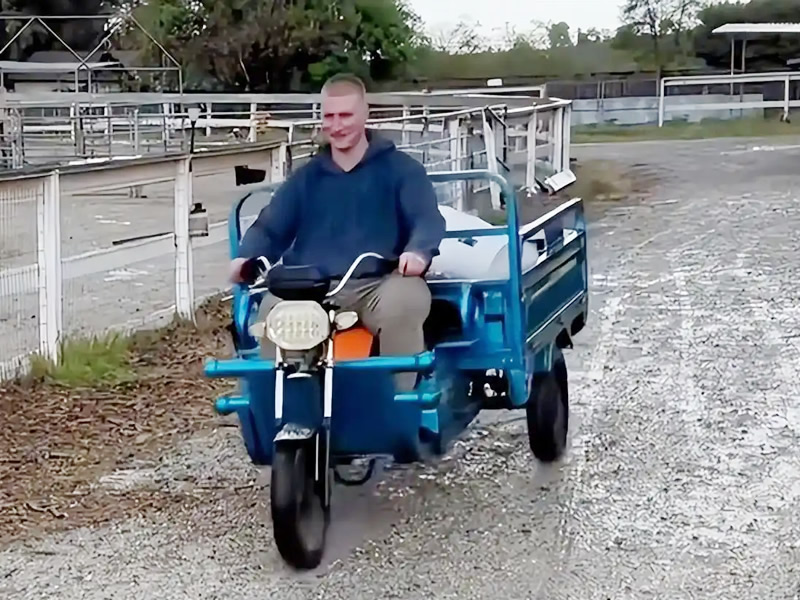
The Frame: The Backbone of Safety — This is where cheap brands cut the most corners, and it’s the first thing to check. A quality electric trike will have a thick, sturdy frame—look for steel or aluminum tubing that feels solid when you give it a gentle shake. Run your hand along the welds: they should be smooth, even, and free of gaps or blobs of metal. If the welds are messy, uneven, or look like they were done by someone who’s never held a welding torch, run—fast. Cheap frames use thin, flimsy tubing (often recycled steel) that bends or cracks under pressure, especially if you carry any cargo or ride on uneven terrain. I once tested a budget trike where the frame literally flexed when I sat on it—imagine what would happen if you hit a pothole. Quality frames, by contrast, are made with thick-walled steel (at least 2.5mm, but 3mm is better) that’s been treated to resist rust, so they hold up to rain, mud, and regular use without falling apart.
The Battery: The Heart (and Biggest Safety Risk) — If the listing says “battery included” but doesn’t mention the brand, capacity (in amp-hours, or Ah), or safety certifications? That’s a red flag the size of a stop sign. Cheap trikes use no-name, uncertified lithium-ion batteries that are prone to overheating, swelling, and even catching fire—remember those e-bike battery fires you’ve seen in the news? Same problem here. A quality battery will be from a reputable brand like Samsung, LG, or Panasonic, with a capacity of at least 10Ah (15Ah or more is better for longer range) and UL 2271 or UL 2849 certification—these are third-party safety standards that mean the battery has been tested to not catch fire or explode. Avoid any trike with a lead-acid battery, too—they’re heavy, don’t last long (only 300-500 charges, tops), and can leak toxic chemicals if damaged. I had a client bring in a cheap trike where the battery swelled up like a balloon after just a month—we had to dispose of it properly because it was a fire hazard. Quality batteries last 800+ charges and have built-in protections to prevent overcharging and overheating.

Motor & Brakes: The Difference Between Safe and Stranded — These two components can mean the difference between a smooth ride and a trip to the hospital. A quality electric trike will have a brushless motor (look for “brushless” in the specs) rated for at least 500 watts—750 watts if you plan to ride up hills or carry cargo. Brushless motors are quieter, more efficient, and last longer than the cheap brushed motors in budget trikes, which overheat easily, lose power on hills, and often burn out within six months. I’ve seen motors seize up mid-ride, leaving riders stranded. The controller matters too—cheap trikes use 35A controllers that can’t handle heavy loads, while quality models have 70A+ controllers that keep power steady. As for brakes: if the trike only has rear brakes, or the brakes feel mushy when you squeeze the lever, run. Quality trikes have front and rear disc brakes (not cheap drum brakes) that stop you quickly and smoothly, even when wet. Test them if you can—they should feel firm, not spongy, and bring the trike to a stop in under 8 feet at 40km/h. Cheap brakes wear out fast, fade in rain, and can fail when you need them most.
Don’t sleep on the small stuff, either—those little details that seal the deal. Cheap trikes have thin, treadless tires that slip on wet pavement, hard plastic seats that leave you sore, and messy wiring that shorts out in rain. Quality models have thick, puncture-resistant tires, padded ergonomic seats, and sealed, organized wiring that stands up to the elements.
3. The Bottom Line: Save Cash Without Sacrificing Safety
Here’s the truth: a quality electric trike doesn’t have to cost $3,000. You can find reliable models for $1,000-$1,500 that are built to last, safe to ride, and won’t leave you stranded. The difference? Those trikes don’t cut corners on the parts that matter—frame, battery, motor, brakes. The cheap ones? They’re designed to look good in photos, sell fast, and be forgotten when they break (which they will, usually within a few months). I’ve had clients come to me after buying a $500 trike, asking if I can fix it—and most of the time, it’s not worth the cost. The frame is bent, the motor is shot, and the battery is unsafe. They end up spending more on repairs than they would’ve if they’d bought quality upfront. It’s the classic “you get what you pay for” scenario, and when it comes to your safety, it’s not worth cutting corners.
If a deal seems too good to be true, it probably is. When shopping for an electric trike, don’t just look at the price tag. Ask for the battery brand and certification. Check the frame welds and thickness. Test the brakes and motor. Look for reviews from real people (not fake 5-star ones) who’ve owned the trike for more than a month. And if the seller can’t answer your questions, or pushes you to buy without details? Walk away. Your safety is worth more than saving a few hundred dollars. I’ve seen too many people get hurt because they bought a cheap, poorly made e-trike—and I don’t want you to be next.

A quality electric trike should make your life easier, not more stressful. It should get you where you need to go, safely and reliably, for years to come. The junk ones? They’re just death traps in shiny packaging. Now that you know how to spot the difference, you can shop with confidence—no mechanic degree required. Happy riding, and stay safe out there.